Center for Older Adults

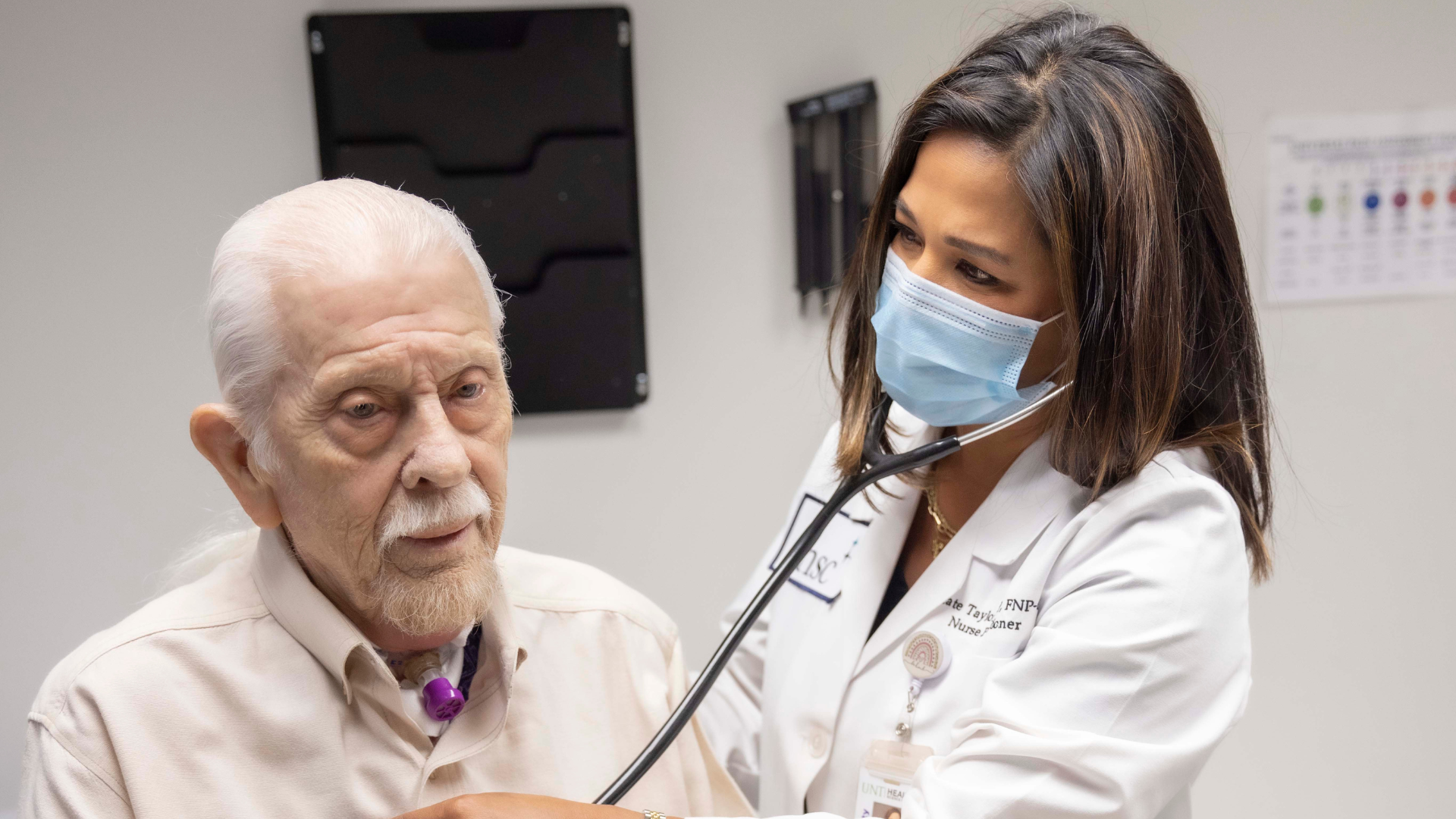
UNT Health Clinical Practice Group Center for Older Adults

Recognized Age-Friendly Business in Fort Worth

UNT Health Clinical Practice Group’s Center for Older Adults provides comprehensive care plans that help prevent and manage the chronic diseases and long-term illnesses that may accompany the aging process. Services include:

  • Well care for older adults
  • Onsite care at several of Fort Worth’s continuing care retirement communities
  • Palliative care
  • Physical therapy
  • Chronic care management (CCM services)
  • Neurology consultations for brain health evaluation, memory loss, dementia, and movement disorders
  • Advance Care Planning

UNT Health Center for Older Adults Has Been Selected as a Guiding an Improved Dementia Experience (GUIDE) location!

GUIDE features exclusive benefits for caregivers and patients living with dementia who have traditional Medicare, at no cost to the patient.

Learn More about GUIDE

Types of Care and Services Provided

Geriatric medical doctors provide whole-person care designed specifically for adults aged 65 and older. Their services go far beyond a standard checkup. These physicians specialize in diagnosing, treating, and managing conditions common in older adults while also focusing on improving quality of life.

Core Services Offered

  • Comprehensive Health Assessments: Routine exams that evaluate physical health, memory, mood, mobility, medications, and safety risks.
  • Chronic Disease Management: Ongoing care for conditions such as arthritis, diabetes, heart disease, high blood pressure, and COPD.
  • Memory and Cognitive Evaluations: Screening for memory loss, dementia, and Alzheimer’s disease with referrals to specialists if needed.
  • Medication Management: Careful review of prescriptions to prevent side effects, drug interactions, or overmedication—often called “deprescribing.”
  • Fall Risk Prevention: Balance and strength assessments, along with referrals to physical therapy or assistive devices when necessary.
  • Behavioral Health Support: Evaluation and care for depression, anxiety, or mood changes related to aging or health conditions.
  • Nutrition and Wellness Counseling: Guidance on diet, hydration, bone health, and age-appropriate fitness.
  • Coordination of Care: Collaboration with primary care providers, specialists, pharmacists, and caregivers to create personalized treatment plans.
  • Advance Care Planning: Conversations about medical wishes, living wills, and durable power of attorney for health care decisions.

As a result, geriatric medical doctors deliver more than just care—they offer confidence, continuity, and peace of mind for aging adults and their families.

In order to experience comprehensive, senior-focused care tailored to your needs, schedule an appointment with our geriatric team today.

Geriatric medical doctors treat a wide range of conditions that become more common—and more complex—with age. These physicians are trained to look at how multiple medical problems interact and how aging affects the body, mind, and daily life. Their goal is not only to manage disease but also to help older adults maintain independence and improve their quality of life.

Common Conditions Treated

  • Memory Loss & Dementia: Including Alzheimer’s disease and related conditions that affect thinking, behavior, and daily function.
  • Chronic Illnesses: Such as heart disease, diabetes, arthritis, hypertension, kidney disease, and chronic lung conditions.
  • Osteoporosis & Bone Loss: Monitoring bone density and preventing fractures through early screening and fall prevention.
  • Depression & Anxiety: Addressing mood changes, loneliness, and emotional shifts that can affect older adults.
  • Mobility Issues & Falls: Evaluating balance, strength, gait, and risk factors that may lead to injury.
  • Polypharmacy (Multiple Medications): Managing complex medication regimens to reduce side effects and dangerous interactions.
  • Urinary Incontinence: Offering discreet evaluations and treatments that improve daily comfort and dignity.
  • Vision & Hearing Decline: Detecting sensory changes that can affect safety, communication, and social engagement.
  • Nutrition & Weight Loss: Identifying signs of malnutrition or unintended weight changes that may signal other issues.
  • Sleep Disorders: Including insomnia, restless legs syndrome, and disrupted sleep patterns.

Geriatric doctors don’t just treat diseases. They also consider your lifestyle, living situation, and personal goals when creating your care plan.

Contact our clinic today in order to receive personalized care for the unique health needs of aging adults.

A comprehensive geriatric assessment is more than a routine checkup. It’s a detailed evaluation designed specifically for older adults to understand their overall health, abilities, and medical needs. This type of assessment helps geriatric medical doctors create a personalized care plan that supports independence, safety, and quality of life.

Key Areas Covered by Our Geriatric Medical Doctors

  • Medical History and Medication Review: Includes a full review of past illnesses, current conditions, and all medications—prescription and over-the-counter. The goal is to prevent harmful interactions and reduce unnecessary drugs (polypharmacy).
  • Cognitive Function: Screens for memory loss, confusion, dementia, and other signs of cognitive decline. Early detection helps improve treatment and planning.
  • Mental Health: Evaluates emotional well-being, including screening for depression, anxiety, or changes in mood that may affect daily living.
  • Functional Abilities: Assesses how well the person can handle daily tasks like bathing, cooking, dressing, and using the phone or transportation.
  • Mobility and Balance: Checks for strength, walking ability, risk of falls, and overall physical function. This helps prevent injuries and promotes independence.
  • Nutrition and Weight: Looks for signs of malnutrition or unintended weight loss that could signal other medical issues.
  • Vision and Hearing: Identifies sensory changes that may affect safety, social interaction, or communication.
  • Home Safety and Support System: Reviews the patient’s living situation and support network to determine if adjustments are needed for safer, more effective care.

Why It Matters

In conclusion, a comprehensive geriatric assessment gives you and your doctor a full picture of your health, not just your symptoms. It guides smarter, safer care decisions now and in the future.

Schedule your comprehensive geriatric assessment today in order to create a personalized care plan built for healthy aging.

Chronic, Specialized, and Long-Term Care

A primary care geriatric medical doctor plays a vital role in helping older adults manage long-term health conditions. Unlike general practitioners, geriatricians specialize in how aging affects the body and how multiple chronic diseases can interact. Their care approach is holistic, coordinated, and highly personalized.

Personalized Disease Management

  • Individualized Treatment Plans: Care is tailored based on your health history, current diagnoses, medications, and life goals. The goal is to improve both longevity and quality of life.
  • Medication Oversight: Geriatric doctors, along with UNT Health Clinical Practice Group clinical pharmacists, help prevent complications from polypharmacy. They review and adjust prescriptions to avoid harmful drug interactions and unnecessary medications.
  • Routine Monitoring: Chronic illnesses like diabetes, heart disease, arthritis, and COPD are closely tracked with regular checkups, lab work, and physical assessments.
  • Coordinated Specialist Referrals: When needed, your doctor will refer you to cardiologists, neurologists, or other specialists all within UNT Health Clinical Practice Group, ensuring that all providers working together on your care plan are in one location.
  • Lifestyle Counseling: Your care may include support from an UNT Health Clinical Practice Group Coach, who offers guidance on nutrition, exercise, and stress management, all tailored to your physical ability and medical conditions.
  • Family and Caregiver Involvement: Family members are often included in care decisions though “family meetings,” especially when managing memory loss, mobility issues, or multiple conditions.

Continuity Matters

In conclusion, long-term relationships with your geriatric doctor build trust, improve care outcomes, and help detect problems early—before they become serious.

In order to manage chronic conditions with confidence, schedule a visit with one of our primary care geriatric medical doctors today.

Yes. A primary care geriatric medical doctor can provide palliative care as part of a broader, patient-centered approach. While many associate palliative care with end-of-life services, it actually focuses on improving quality of life for anyone facing serious or chronic illness, regardless of life expectancy.

What Palliative Care Includes:

  • Symptom Relief: Focuses on easing pain, shortness of breath, fatigue, nausea, and other symptoms that interfere with daily life.
  • Emotional and Spiritual Support: Addresses anxiety, depression, and emotional stress. Support may also include counseling, chaplain services, or referrals to behavioral health.
  • Goals of Care Discussions: Helps patients and families clarify their wishes, understand treatment options, and make informed decisions.
  • Coordination With Specialists: Geriatric doctors work with palliative care teams, oncologists, cardiologists, or hospice providers as needed to ensure continuity of care.
  • Advance Care Planning: Guides patients in completing documents such as living wills and medical power of attorney.
  • Support for Caregivers: Offers resources, education, and emotional support for family members and loved ones providing care.

Palliative care may begin at any stage of illness, even while still pursuing curative treatments. For older adults, it often complements care for conditions like cancer, heart failure, Parkinson’s, or dementia.

Contact our clinic today in order to explore compassionate palliative care options tailored to you or your loved one’s needs.

Yes. Geriatrician physicians are uniquely qualified to provide care for individuals with Alzheimer’s disease. As specialists in aging, they understand the complex changes that occur with cognitive decline and offer guidance for patients and families at every stage of the condition.

How Geriatricians Support Alzheimer’s Care

  • Early Detection and Diagnosis: Geriatric doctors conduct memory screenings, cognitive assessments, and family interviews in order to identify signs of Alzheimer’s early—when treatment and planning are most effective.
  • Medication Management: Our Center for Older Adults clinical pharmacists work with your primary care provider to prescribe or adjust medications that may slow cognitive decline or manage symptoms like agitation, sleep issues, or confusion.
  • Behavioral and Mood Support: Alzheimer’s often causes anxiety, depression, or personality changes. Geriatricians address these with compassion and appropriate therapies.
  • Care Coordination: They serve as the central point of contact between UNT Health Clinical Practice Group neurologists, mental health providers, social workers, pharmacists, health coaches, and caregivers—ensuring a seamless care experience.
  • Safety and Daily Living Planning: Evaluations help determine when a patient may need assistance with daily tasks, home modifications, or transition to supervised care.
  • Education and Resources for Families: UNT Health Clinical Practice Group Center for Older Adults provides guidance through online courses like Dementia CARES and a virtual caregiver support group. These resources help caregivers know what to expect, how to respond to behaviors, and where to find other trusted caregiver support resources.

A Long-Term Partner in Care

In conclusion, geriatrician physicians do more than treat Alzheimer’s—they walk alongside patients and families throughout the journey, offering support, planning, and dignity every step of the way.

Reach out today in order to begin a thoughtful, compassionate care plan for Alzheimer’s disease with a trusted geriatrician physician.

Absolutely. A geriatrician physician plays a key role in helping patients and families prepare for future health care decisions through advance care planning. These conversations are not just for end-of-life. They are also for anyone who wants to ensure their wishes are respected as they age or face chronic illness.

What Advance Care Planning Involves

  • Understanding Your Values and Goals: Geriatricians take time to learn what matters most to you—independence, comfort, or certain types of care—to guide future decisions.
  • Explaining Medical Options: They clearly explain treatments, interventions, and what to expect with specific conditions, so you can make informed choices.
  • Creating Legal Documents: Your physician can help you complete forms such as:
    • Advance directives
    • Living wills
    • Durable power of attorney for health care
  • Designating a Health Care Proxy: You’ll identify a trusted person who can speak on your behalf if you’re ever unable to communicate your wishes.
  • Reviewing and Updating Plans: As your health changes, your geriatrician revisits these plans with you to ensure they still reflect your needs and values.

Why It Matters

In order to reduce uncertainty for both you and your loved ones, advance care planning ensures that your preferences are honored. No matter what the future holds.

Start the conversation today with a geriatrician physician in order to protect your health, your choices, and your peace of mind.

Accessibility and Patient Support

Understanding insurance coverage can be overwhelming, but it’s an important part of planning for care. Most geriatric medical services are covered by Medicare, Medicare Advantage, and many private insurance plans. However, coverage may vary based on your provider, your plan, and the services you need.

Steps to Check Your Insurance Coverage

  • Contact Your Insurance Provider: Call the number on the back of your insurance card. Ask if visits to a geriatrician or specialist physician are included in your plan.
  • Ask About In-Network Providers: Make sure your chosen doctor or clinic is “in network” to avoid unexpected costs. Out-of-network visits may have higher co-pays or deductibles.
  • Check for Specialist Referrals: Some insurance plans require a referral from a primary care provider before seeing a specialist, including a geriatric physician.
  • Clarify Covered Services: Ask specifically about services such as cognitive evaluations, chronic disease management, and palliative care. Coverage may differ depending on the procedure or diagnosis.
  • Review Medicare Benefits: If you have Medicare, visit medicare.gov or contact a local benefits counselor to understand what’s included and what requires additional coverage.
  • Ask the Clinic Directly: Our staff can help verify your benefits before your appointment and explain any expected out-of-pocket costs.

Get the Answers You Need

In conclusion, the best way to confirm your coverage is to ask questions before care begins. This helps avoid surprise bills and ensures you receive the support you deserve.

Call our clinic today at 817-735-2200 in order to verify your insurance and schedule your first appointment with confidence.

Yes. In addition to experienced primary care providers, our team includes geriatric specialist physicians. They focus on the complex needs of older adults. These specialists have advanced training in aging-related conditions and often work alongside other experts to deliver coordinated, comprehensive care.

What Makes a Physician a Geriatric Specialist?

  • Board Certification or Fellowship Training: Many geriatricians have completed additional training or hold certifications specifically in geriatric medicine.
  • Focus on Complex Cases: Geriatric specialists are equipped to manage multiple chronic conditions, cognitive decline, medication complications, and functional decline—all within one integrated care plan.
  • Holistic and Preventive Approach: Care is focused not just on treating illness but also on preventing hospitalizations, reducing fall risks, and preserving independence.
  • Interdisciplinary Collaboration: Our geriatric physicians coordinate with pharmacists, physical therapists, neurologists, health coaches, neuropsychologists, and social workers to support every aspect of your health.

Primary Care With Specialty-Level Insight

Therefore, whether you’re receiving regular checkups or navigating complex medical needs, our geriatric medical doctors and specialists work together to deliver the highest standard of care.

Reach out today in order to schedule a visit with one of our geriatric specialist physicians and get the expert care you deserve.

Location

855 Montgomery St.
Health Pavilion 4th Floor
Fort Worth, Texas 76107

Clinic hours

Monday – Friday
8 am – 5 pm

Appointments

Give us a call at (817) 735-2200 to schedule an appointment, or click here to schedule online.

Geriatric Primary Care 817-735-2200
Geriatric Psychiatry & Neuropsychology
817-735-2400