Osteopathic Manipulative Medicine: Hands-On Healing for Pain Relief
Osteopathic Manipulative Medicine (also known as OMM or OMT) is a form of medicine that takes a full-person approach, addressing all body systems to find the root cause of pain or discomfort.
OMM doctors are fully licensed and board-certified, and undergo many years of medical training to perform specialized OMT techniques. Our physicians also specialize in various areas of interest like working with infants, treatment through pregnancy and post-partum and performing arts medicine, to name a few.


Hands-On Care with Osteopathic Doctors at
Fort Worth’s Premiere OMM Practice
OMM can help patients of all ages with improved healing and overall mobility, as well as the treatment of:
- Headaches, neck pain, back pain, and musculoskeletal pain
- Scoliosis
- Colic and feeding difficulties in infants
- Ear infections
- Post-concussion syndrome/traumatic brain injury
- Pneumonia/asthma/chronic obstructive pulmonary disease (COPD)
- Acid reflux, constipation and gastrointestinal complaints
- Pre/Post-pregnancy care
- Fibromyalgia and other rheumatologic disease
- Congestive heart failure and lymphedema
- Improved recovery after hospitalization and surgery
- And more
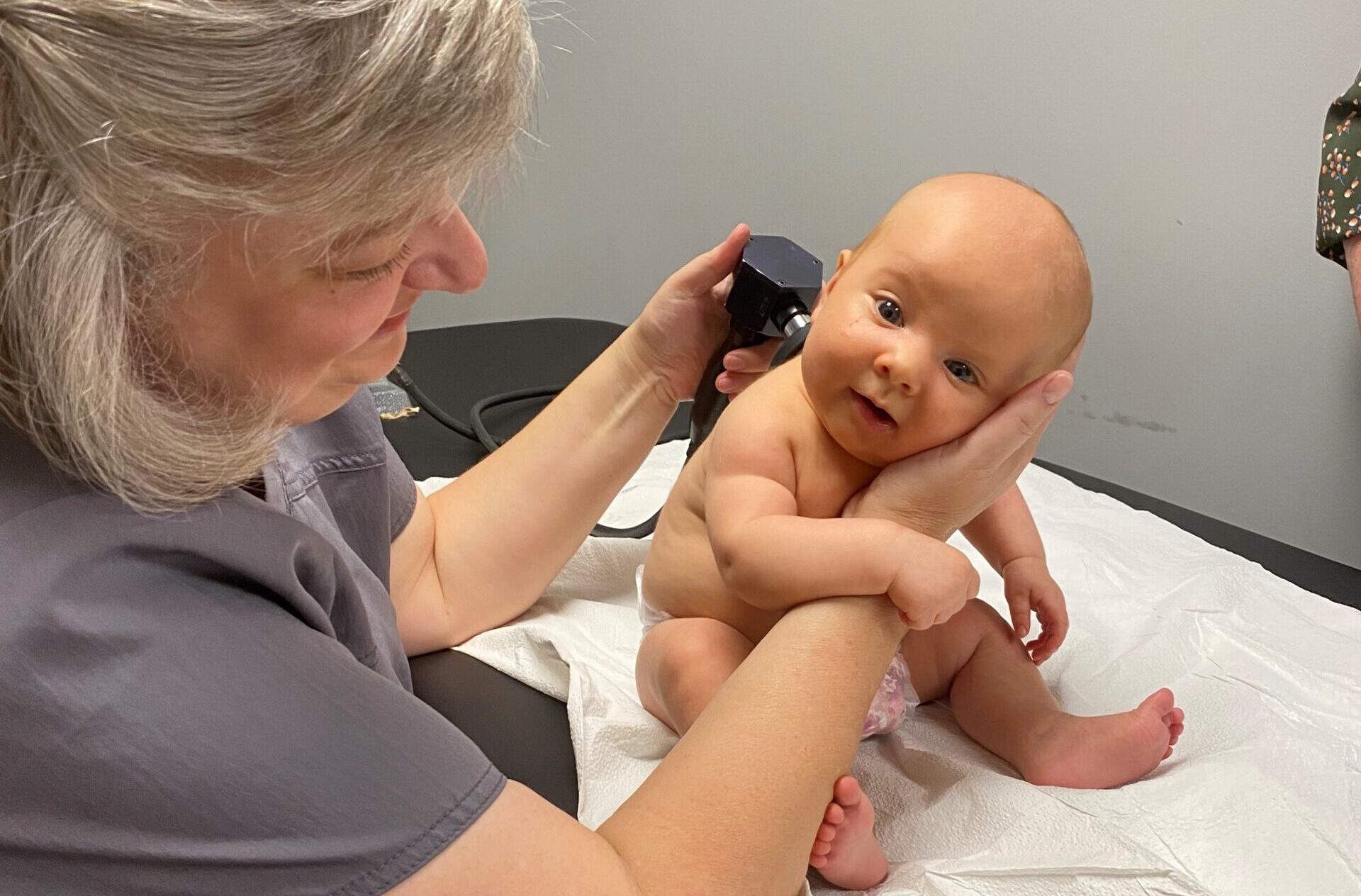
Infants & Mothers
OMM can treat tongue ties, torticollis, flattened skull shape, and feeding difficulties for improved function and growth in infants. During pregnancy, many choose osteopathic manipulative treatment for back pain relief.
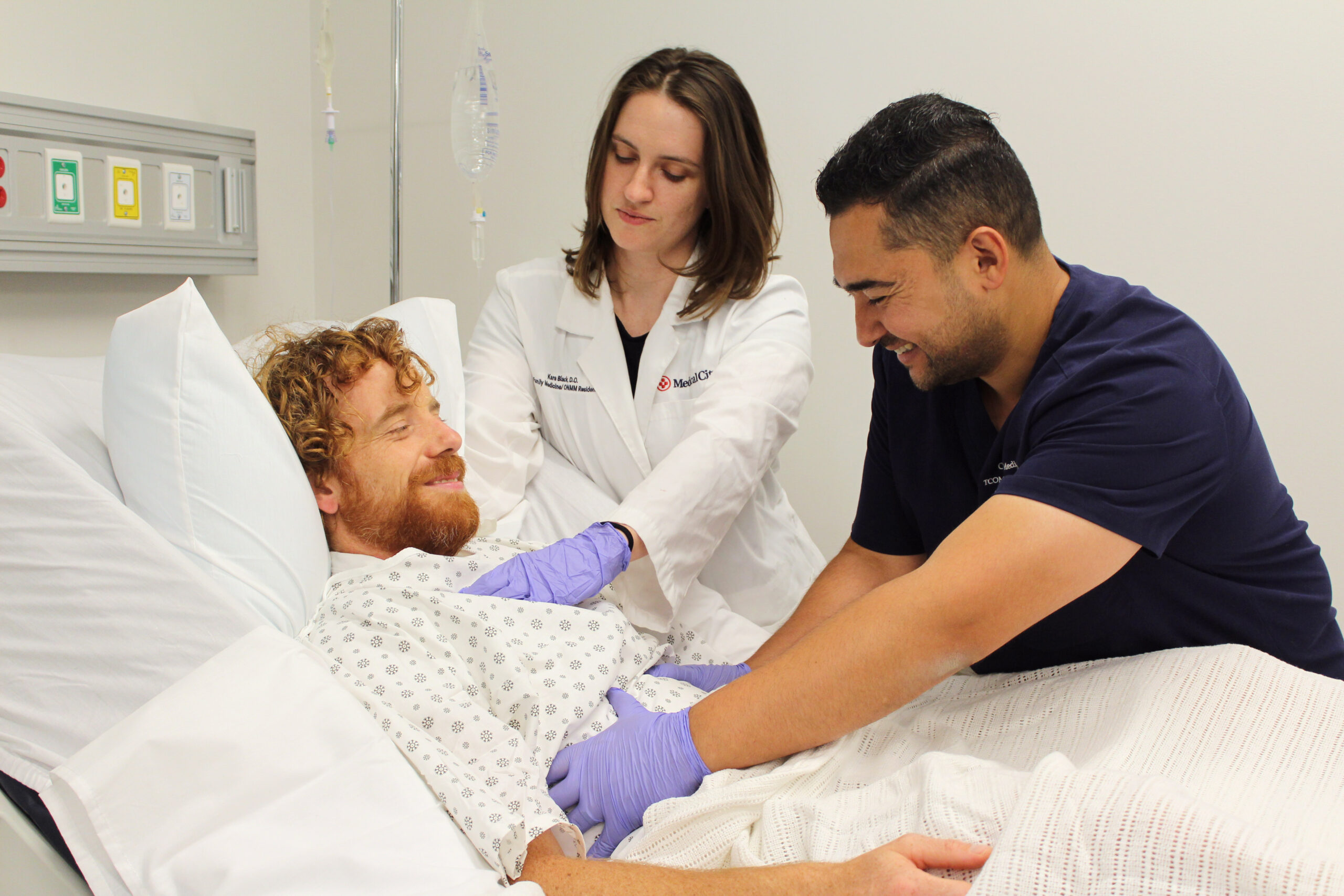
Hospital Consultations
In the hospital setting, OMM can be used to augment the rest of your treatment plan including improved breathing, circulation, and mobility, decreasing swelling and pain, and shortening recovery times.
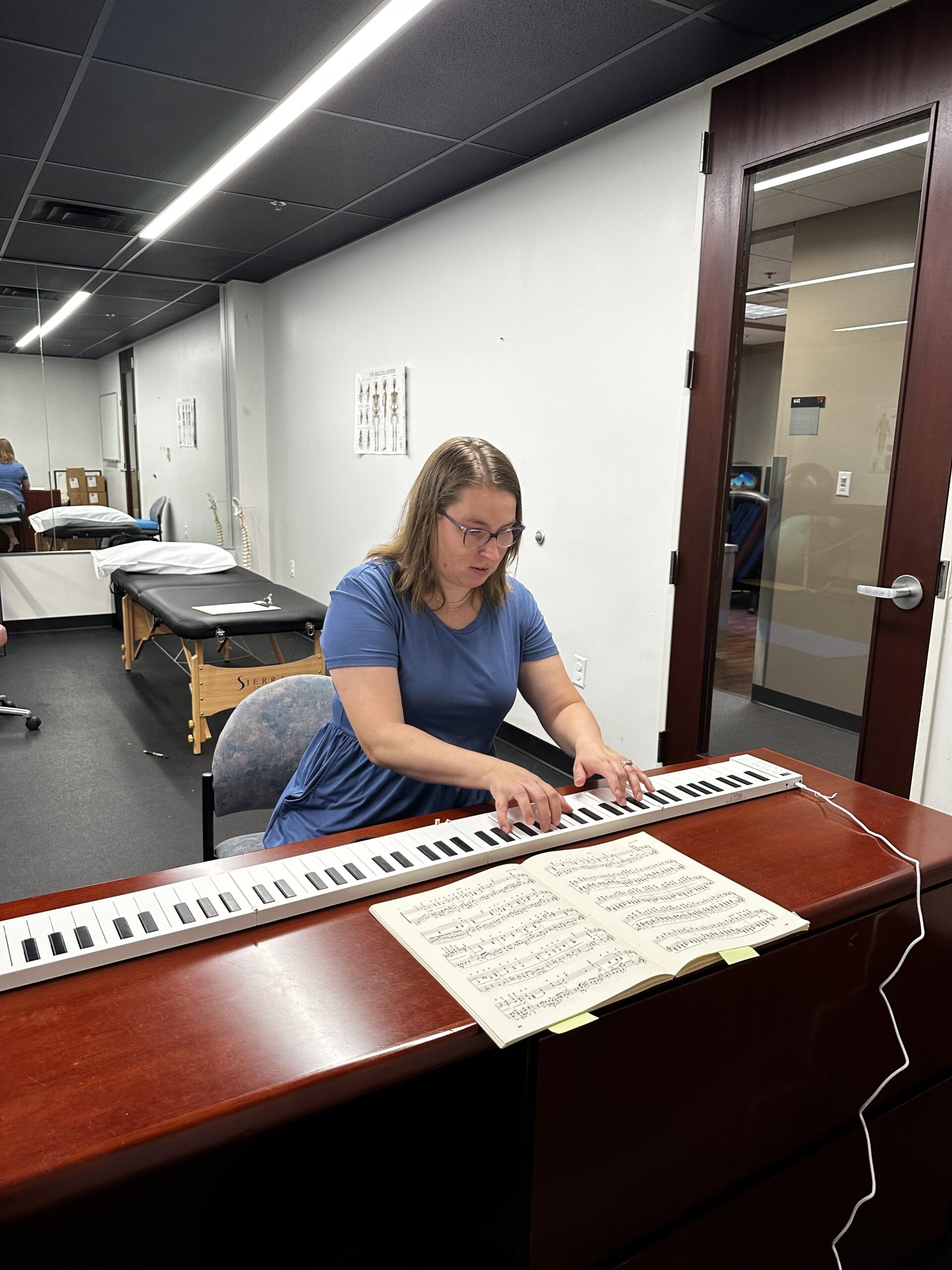
Performing Arts Medicine
If you’re a performer experiencing illness or injury that impacts your craft, take advantage of this specialized performing arts clinic hosted by experienced and highly-trained UNT Health Clinical Practice Group physicians. For more information, click here.
What to Expect
3 Steps to Osteopathic Manipulative Medicine
1. Follow Up With Your PCP
Check-in with your primary care doctor as you would after any injury, and discuss if they think OMM is right for you.
2. Check For a Referral
Check with your physician and/or your insurance carrier to see if your doctor needs to make a referral for you to be seen.
3. Feel Your Best!
If your physician decides you could benefit from being seen at the clinic, call (817) 735-2235 to schedule an appointment.
Testimonials
Our Patients Are Saying…
★ “Dr. Lee was wonderful! She and her staff were very helpful getting me scheduled on short notice. Dr. Lee was patient and thoughtful and listened carefully. She also presented me with some very good and helpful insights. I’m looking forward to our next appointment and feel confident Dr. Lee will be able to provide the care that I need.”
★”Dr. Mason is incredible. I believe the best doctor in the world. He listened, he understands and he’s also able to treat with the knowledge and experience and we couldn’t be more thankful.”
★ “The front office staff was fantastic. I came in with a crying baby and left with a crying baby and everyone was super understanding and very nice and even helped me carry her car seat and showed me to and from the nursing room, which is also great that you have. So I felt like this was a very family friendly practice and I actually look forward to going back.”
★ “Dr. Surve is an outstanding doctor. I feel very fortunate to have him taking care of me.”
★ “Dr. Fung always conducts himself in a very professional way. He is one of the most caring doctors. He listens and remembers what we discussed. Couldn’t ask for better.”
★ “I have learned so much about my physical problems with Dr. Seals and his students. I always leave feeling whole and ‘put together’ again and always have a couple of spontaneous, relaxing sighs that tell me I’ll be doing much better in the coming weeks. I never feel like I’ve been rushed through my appointment or like I haven’t been heard when explaining how I feel physically. So glad there’s a doctor such as Dr. Seals with his students and staff.”
★ “Dr. Hensel is amazing and a lifesaver as a physician.”
Meet Your Team
Meet Your UNT Health OMM Team
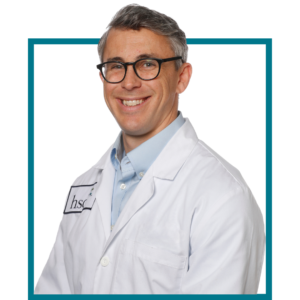 Ryan Seals, DO
Top Doctor 2025 – Fort Worth Magazine
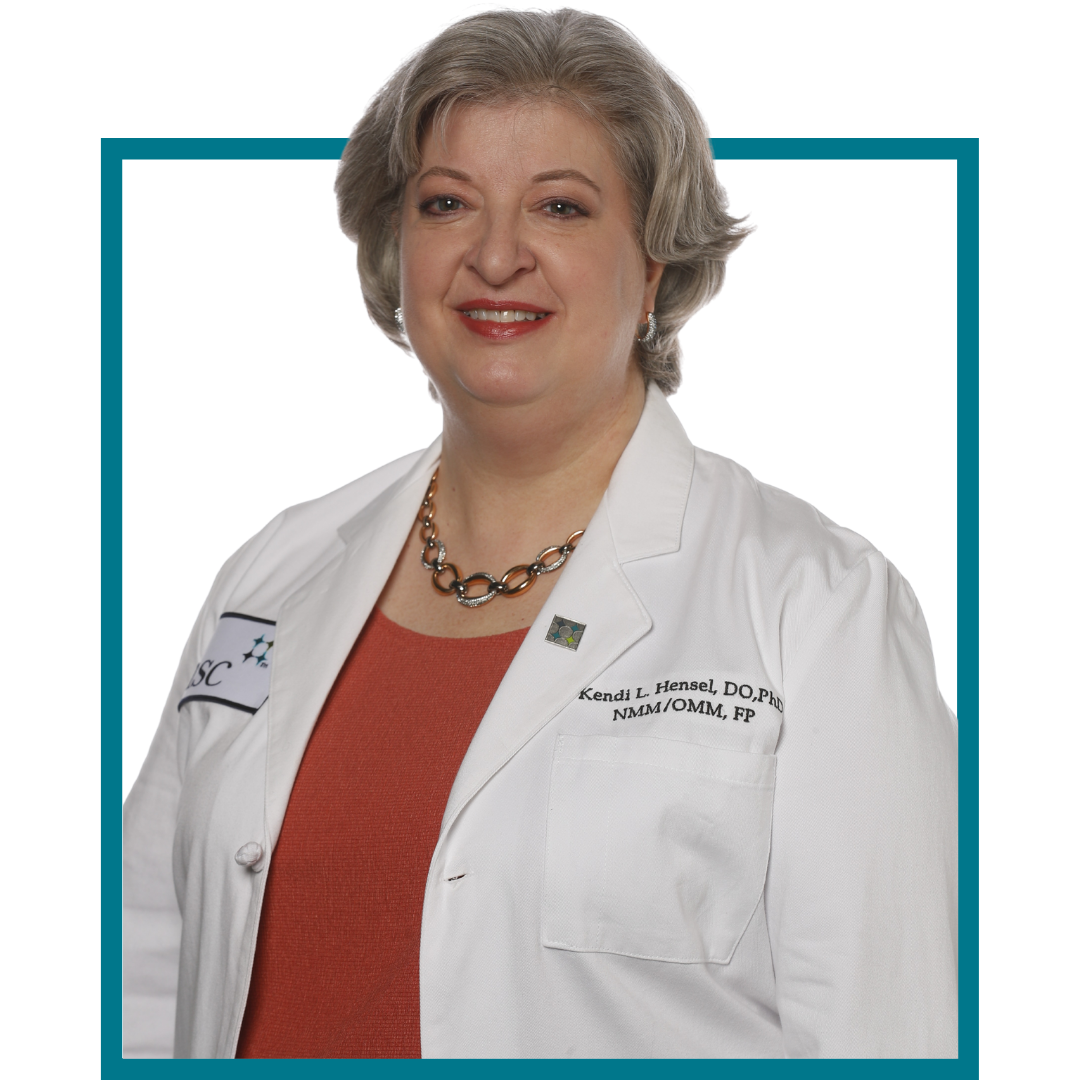 Kendi Hensel, DO
Top Doctor 2025 – Fort Worth Magazine
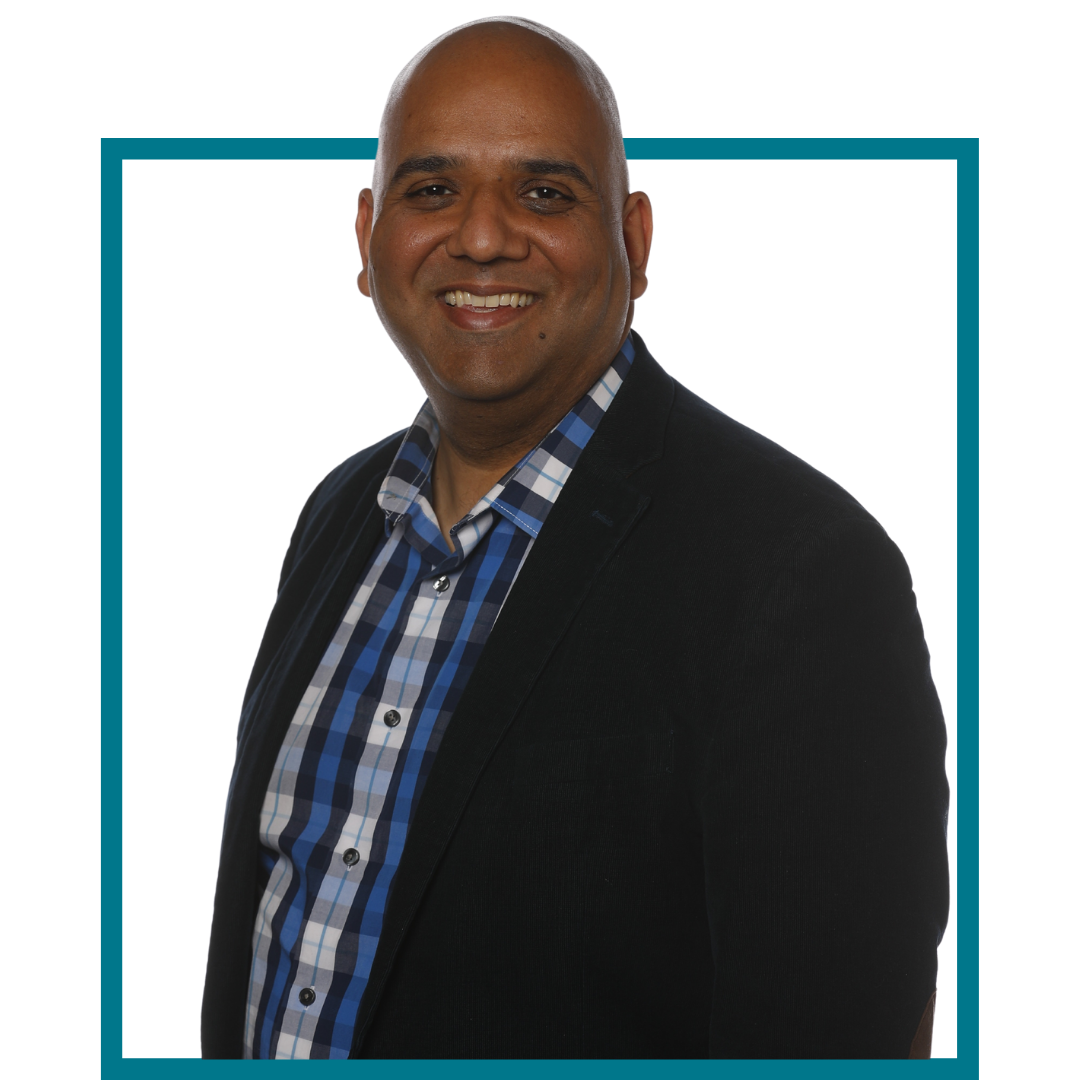 Sajid Surve, DO
Top Doctor 2025 – Fort Worth Magazine
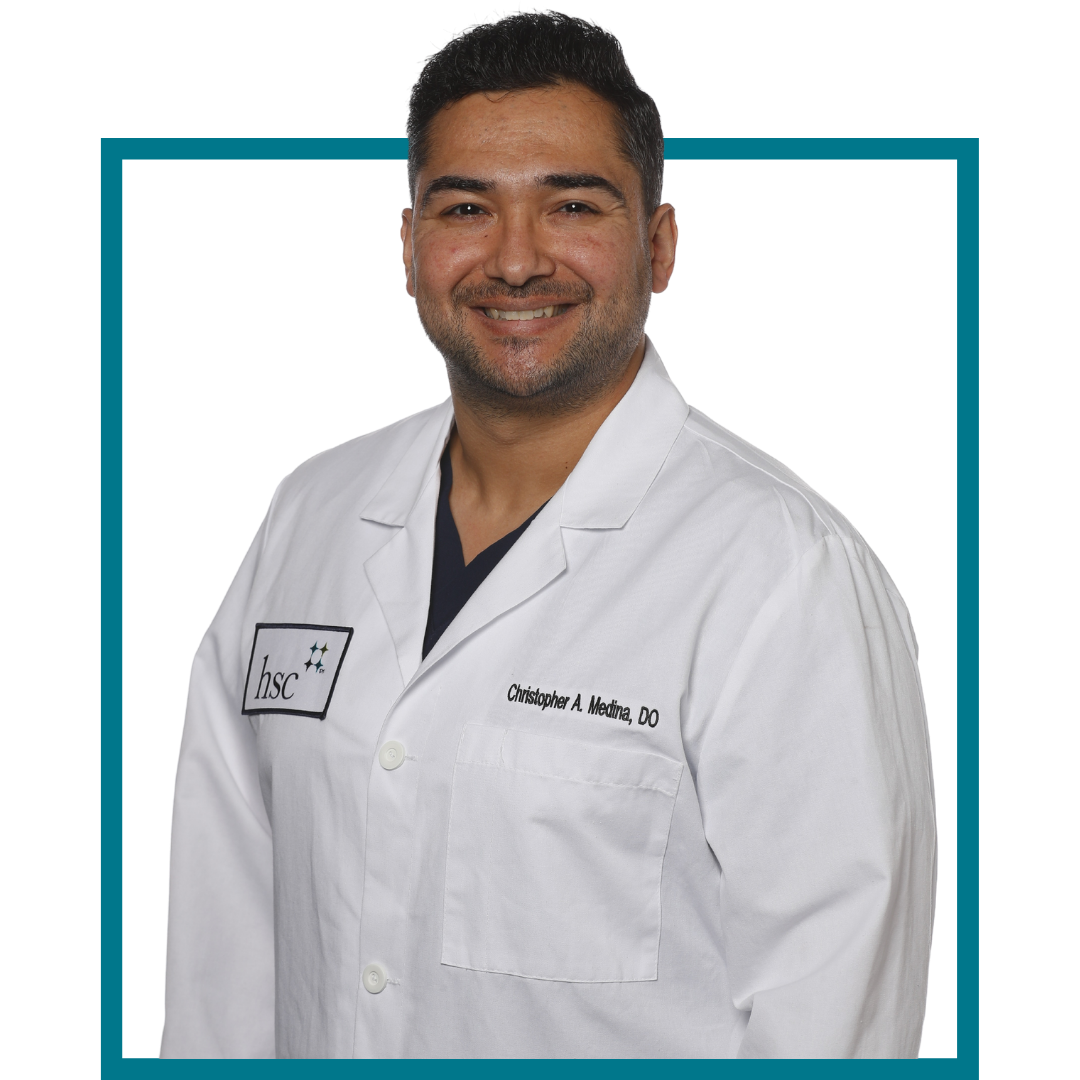 Christopher Medina, DO
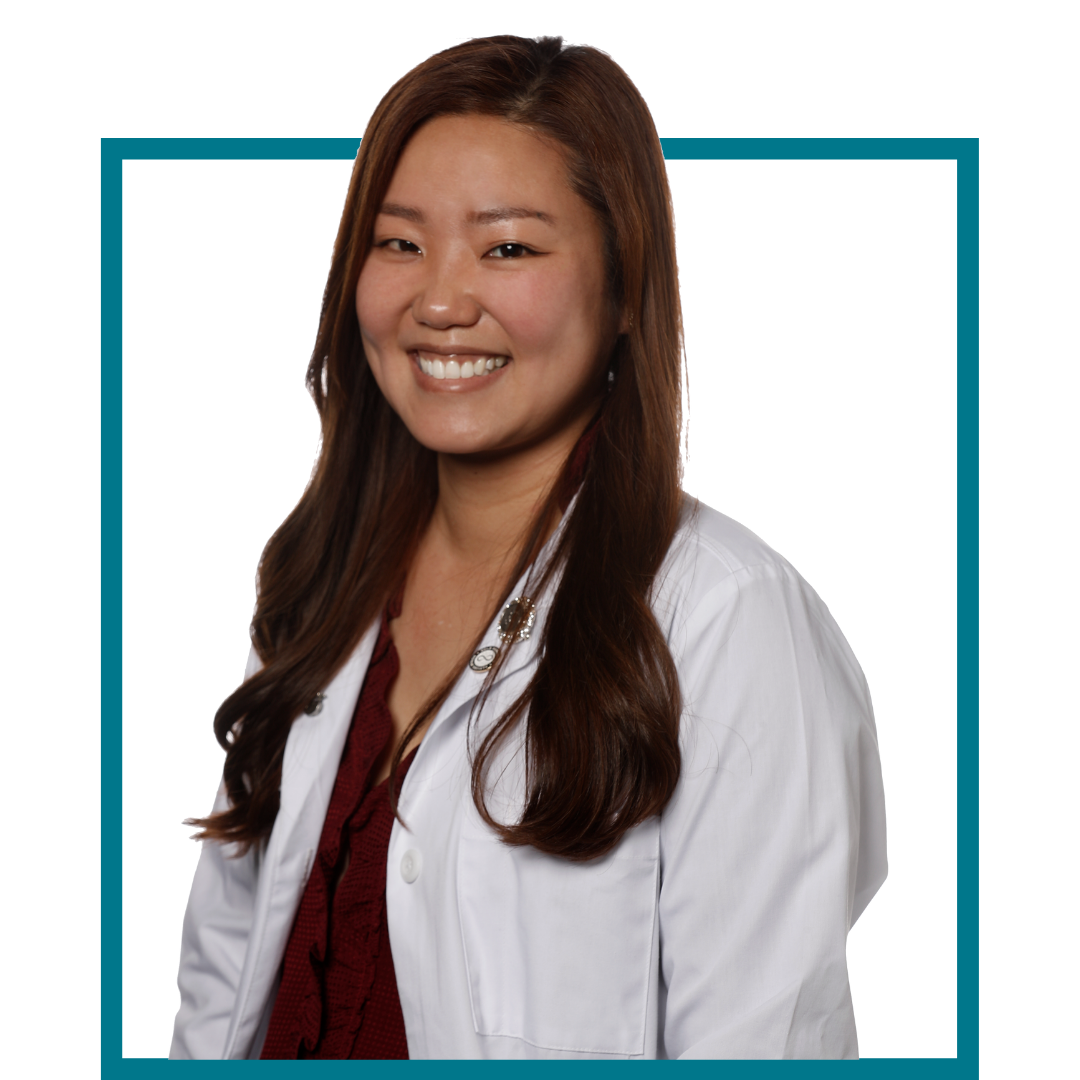 Yein Lee, DO
Top Doctor 2025 – Fort Worth Magazine
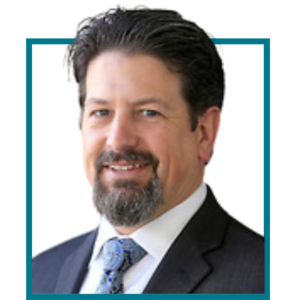 David Mason, DO
Top Doctor 2025 – Fort Worth Magazine
 Stephen Fung, DO
Top Doctor 2025 – Fort Worth Magazine
Common Treatments
OMM can help patients of all ages with improved healing and overall mobility, as well as the treatment of:
- Headaches, neck pain, back pain, and musculoskeletal pain
- Scoliosis
- Colic and feeding difficulties in infants
- Ear infections
- Post-concussion syndrome/traumatic brain injury
- Pneumonia/asthma/chronic obstructive pulmonary disease (COPD)
- Acid reflux, constipation and gastrointestinal complaints
- Pre/Post-pregnancy care
- Fibromyalgia and other rheumatologic disease
- Congestive heart failure and lymphedema
- Improved recovery after hospitalization and surgery
- And more
Insurance
UNT Health OMM accepts most major insurance plans. If you have questions about which visit types are covered by your insurance, call our office at 817-725-7625.
Make an Appointment
Give us a call at 817-735-2235 in order to schedule an appointment or click here to request an appointment
Location: 855 Montgomery St., 6th Floor, Fort Worth, TX 76107 | 817-735-2235
Clinic Hours: Monday – Friday | 8 a.m. – 5 p.m.
Understanding Osteopathic Manipulative Medicine
What Is Osteopathic Manipulative Medicine?
Osteopathic Manipulative Medicine (OMM) is a hands-on approach to health care used by Doctors of Osteopathic Medicine (DOs). It focuses on diagnosing, treating, and preventing illness or injury through gentle, manual techniques known as Osteopathic Manipulative Treatment (OMT).
OMM supports the body’s ability to heal itself. DOs use their hands to move muscles, joints, and tissues to relieve pain, increase overall mobility, and improve function. It is especially helpful for patients with musculoskeletal issues, such as:
- Back and neck pain
- Joint stiffness
- Headaches and migraines
- Sports or work-related injuries
- Postural problems
Unlike chiropractic adjustments that typically focus on the spine, and massage therapy that tends to focus on the muscles and soft tissues, OMM looks at the entire body. DOs are trained to consider how your muscles, bones, nerves, and organs work together. This whole-person approach is what sets OMM apart.
How Does OMM Work?
Doctors of Osteopathic Medicine use many different types of techniques in OMM, including:
- Soft tissue stretching to relax tight muscles
- Muscle energy where the patient helps move their body against resistance to help realign joints or stretch soft tissues
- Myofascial release to ease tension in connective tissues
- Joint articulation to restore proper motion
- Gentle manipulation of organs or tissues between organs
- Cranial Osteopathic Manipulative Medicine, which focuses on the skull, face, and tissues in the head
Because OMM does not rely on drugs or surgery, it can be a great option for people looking for natural pain relief or those wanting to avoid long-term medication use.
How Can Osteopathic Manipulative Medicine Help Me?
- Helps restore function without invasive procedures
- Improves circulation and nerve function
- Supports overall wellness by treating root causes
- Backed by decades of training, research, and patient success
In conclusion, OMM offers a safe, effective solution for many pain-related conditions—without needing drugs or surgery.
If you’re looking for personalized, hands-on care in order to treat more than just symptoms, schedule an appointment with one of our osteopathic specialists today by calling 817-735-2235.
While Osteopathic Manipulative Medicine (OMM) and chiropractic care both involve hands-on treatment, their goals, training, and techniques differ in several important ways.
Key Differences in Philosophy and Training
- Whole-Person Focus: OMM treats the entire body. DOs look at how all systems—muscles, bones, nerves, and organs—work together to affect health.
- Medical Training: DOs complete four years of medical school and clinical rotations, plus 1-4 years of residency training after medical school. They are fully-licensed physicians who can prescribe medication, perform surgery, and provide full-spectrum medical care in addition to OMM.
Differences in Techniques
- OMM Techniques: DOs use over 40 gentle, low-force techniques, such as:
- Myofascial release
- Muscle energy
- Counterstrain
- Cranial osteopathic manipulative medicine
- While DOs are trained to perform High Velocity-Low Amplitude (HVLA) or thrust techniques, which can result in “popping” a joint, they also have multiple other joint techniques that don’t use a rapid force.
- Chiropractic Adjustments: Chiropractors often rely on high-velocity spinal manipulations. These can produce the common “popping” sounds during treatment.
Scope of Care
Doctor of Osteopathic Care (DOs):
- Treat a wide range of conditions from back pain to chronic illness
- Provide preventive care and lifestyle counseling
- Address root causes using medical knowledge
- Fully licensed and board-certified
Chiropractors:
- Typically treat musculoskeletal issues like back pain or joint stiffness
- Do not prescribe medication or perform surgery
As a result, patients seeking both hands-on healing and comprehensive medical care often choose DOs that use OMM for a broader scope and gentler approach.
In order to experience the full benefits of integrative, physician-led treatment, book an appointment with our osteopathic team today by calling 817-735-2235.
Yes. Osteopathic Manipulative Medicine (OMM) is safe and effective for patients across all age groups—including infants, children, and older adults. Doctors of Osteopathic Medicine (DOs) are trained to adjust their techniques to meet the specific needs of each patient’s age, size, and condition.
Why OMM is Safe for Children
Gentle Techniques: DOs use gentle, age-appropriate methods to ease discomfort and improve function in babies and kids.
Common Pediatric Uses:
- Colic and digestive issues
- Sleep disturbances
- Recurrent ear infections
- Latching difficulties
- Torticollis and Plagiocephaly (flat head syndrome)
Support for Growing Bodies: OMM helps improve balance, coordination, and development by addressing musculoskeletal imbalances.
In addition, the OMM clinic is family-friendly, with a designated nursing mothers’ room.
Why OMM is Safe for Older Adults
Low-Force Approach: DOs can avoid high-impact adjustments, which reduces the risk of injury for seniors with osteoporosis or joint problems.
Helps With Common Issues:
- Arthritis and joint pain
- Balance and mobility concerns
- Postural problems and stiffness
- Breathing issues and lymphtics
Enhances Overall Wellness: By improving circulation, flexibility, and nerve function, OMM supports healthy aging and independence.
Tailored to Every Stage of Life:
Doctor of Osteopathic Medicine (DOs) assess each patient’s health history and physical condition before deciding which treatment is the most appropriate.
- Techniques are modified based on comfort, overall mobility, and specific medical needs
- Treatments are performed in a calm, controlled setting, designed with safety in mind
In conclusion, OMM offers noninvasive, drug-free care for patients, young and old. It supports long-term health while minimizing risks.
In order to experience the full benefits of integrative, physician-led treatment, book an appointment with our osteopathic team today by calling 817-735-2235.
Yes. Osteopathic Manipulative Medicine (OMM) is often used to reduce the frequency, severity, and duration of headaches and migraines. It works by addressing the structural imbalances and tension patterns that can trigger pain.
How OMM Helps
- Relieves Muscle Tension: DOs use soft tissue techniques to relax tight neck, shoulder, and back muscles, which often contribute to tension headaches.
- Improves Blood Flow and Nerve Function: Gentle manipulation can reduce pressure on nerves and blood vessels that may play a role in migraines.
- Rebalances the Body: Techniques like Osteopathic Cranial Manipulative Medicine can help improve alignment and reduce stress throughout the nervous system.
- Lowers Triggers: Osteopathic Manipulative Medicine can help minimize known triggers such as:
- Postural issues
- TMJ dysfunction
- Neck misalignment
- Stress-related tension
What the Research Shows
A study published in Complementary Therapies in Medicine found that OMT reduced the number of migraine days and improved quality of life for migraine sufferers.
Another clinical trial reported a decrease in headache intensity and medication use among patients treated with OMT. (Source: PubMed Central – PMC9143587)
In summary, OMM targets both the symptoms and root causes of headache disorders—providing a natural, drug-free option for lasting relief.
In order to experience the full benefits of integrative, physician-led treatment, book an appointment with our osteopathic team today by calling 817-735-2235.
In many cases, yes, Osteopathic Manipulative Medicine (OMM) is covered by insurance. However, coverage may depend on your specific provider, plan, and the reason for the treatment.
Osteopathic Manipulative Medicine is a Recognized Medical Service: OMM is a medical treatment provided by licensed Doctors of Osteopathic Medicine (DOs). Because DOs are fully licensed physicians, most major insurers recognize and reimburse OMM services.
Insurance Providers That Often Cover OMM
- Medicare and Medicaid (in many states, including Texas)
- Major private insurance carriers
- Employer-sponsored plans
- TRICARE and other military health plans
What Affects Coverage
- Medical necessity: OMM must often be linked to a diagnosed condition (e.g., back pain, headaches)
- Referral requirements: Some plans may ask for a referral from a primary care doctor
- Number of visits: Some policies limit the number of manual therapy visits per year
What Steps to Take Before Your Visit
- Call your insurance provider and ask if OMM is covered under your plan
- Ask whether the UNT Health Clinical Practice Group is in-network
- Get details about any co-pays, deductibles, or visit limits
- Bring your insurance card to your appointment
In conclusion, OMM is widely accepted as a covered service. A quick call to your provider can give you peace of mind before scheduling treatment.
Contact us today by calling 817-735-2235 in order to verify your coverage and schedule your OMM appointment with confidence.
Osteopathic Manipulative Treatment (OMT) and Specialist Details
Osteopathic Manipulative Treatment (OMT) is a hands-on method where a Doctor of Osteopathic Medicine (DO) uses gentle, controlled techniques to diagnose, treat, and prevent a wide range of health conditions. The goal is to improve overall mobility, reduce pain, and support the body’s natural healing ability.
What to Expect During a Session
- Initial Assessment:
- Before any treatment is given, your DO begins with a full medical history and physical exam.
- In order to create a plan that is tailored to your needs, they will assess your posture, joint movement, muscle tension, and spinal alignment.
- Treatment Plan:
- Based on your condition, your doctor will select specific OMT techniques tailored to your needs.
- The approach may vary from light pressure to more active stretching or resistance.
- Hands-On Techniques: DOs use more than 40 recognized techniques, which may also include:
- Soft Tissue Manipulation: Gently releases muscle tension and improves circulation.
- Muscle Energy Technique: Involves the patient actively moving muscles against resistance.
- Myofascial Release: Targets fascia (connective tissue) to ease pain and improve overall mobility.
- Counterstrain: Places the body in positions that relieve pain and reset muscle tone.
- Joint Articulation: Restores range of motion by gently moving joints.
- Osteopathic Cranial Manipulative Medicine: Focuses on subtle movements of the skull and spine, often used for headaches and stress.
Duration and Follow-Up:
- Sessions typically last 20 to 40 minutes. Some patients see results after one visit, while others may need a series of treatments.
- Most OMT techniques are not painful. You may feel slight pressure, stretching, or mild discomfort if treating a tender area.
- It’s common to feel relaxed or slightly sore afterward, similar to how you feel after a massage.
In summary, OMT is a personalized, noninvasive treatment designed to improve how your body moves and functions—without drugs or surgery.
In order to experience the benefits of hands-on healing, schedule an appointment with one of our OMT specialists today by calling 817-735-2235.
An Osteopathic Manipulative Treatment (OMT) session is designed to be a safe, relaxing, and personalized experience. Your Doctor of Osteopathic Medicine (DO) will guide you through a hands-on treatment process in order to focus on improving your body’s alignment, mobility, and function.
Step-by-Step Overview
- Medical History and Evaluation
- Your visit begins with a review of your health history.
- The doctor may ask about past injuries, chronic pain, medications, and lifestyle habits.
- A physical exam helps identify any structural issues or motion restrictions.
- Personalized Treatment Plan
- Based on your condition, your DO selects specific OMT techniques.
- These may also include stretching, resistance, gentle pressure, or joint movements.
- Treatment in a Comfortable Setting
- You’ll lie down on a padded exam table, fully clothed.
- Feel free to wear activewear, like leggings, shorts, or sweats for a comfortable range of motion.
- The DO will explain each step before starting.
- You may feel light pressure, stretching, or gentle repositioning.
- Types of Techniques Used
- Soft Tissue Manipulation: Eases muscle tension and improves blood flow
- Muscle Energy Technique: You gently contract muscles while the doctor resists
- Joint Articulation: Helps improve range of motion
- Cranial or Myofascial Release: Used for tension relief and nervous system support
- After the Session
- Many patients feel relaxed or energized right away
- Mild soreness, like post-exercise fatigue, may occur
- Your doctor may suggest stretching, posture tips, or follow-up care
As a result, each OMT session is designed to treat your specific concerns, helping you feel better and move more freely—often without medication or invasive procedures.
In order to experience the benefits of hands-on healing, schedule an appointment with one of our OMT specialists today by calling 817-735-2235.
Yes. Osteopathic Manipulative Treatment (OMT) is considered safe and beneficial for most pregnant women. Many Doctors of Osteopathic Medicine (DOs) offer gentle, tailored treatments that help relieve common discomforts of pregnancy while supporting overall health for both the mother and baby.
Benefits of OMT During Pregnancy
OMT is often used to ease physical changes that occur as the body adapts to pregnancy. Treatment may help:
- Reduce lower back pain and pelvic discomfort
- Improve circulation and reduce swelling in the legs and feet
- Relieve neck and shoulder tension
- Support posture and balance as the baby grows
- Decrease headaches and fatigue
- Improve breathing and digestion
How OMT Is Performed for Pregnant Women
DOs modify techniques for comfort and safety at each stage of pregnancy.
- Most sessions take place with the patient lying on their side or seated
- No high-impact or forceful adjustments are used
- The focus is on relaxing muscles, improving joint mobility, and relieving strain on the spine and pelvis
- Safety Considerations: DOs are trained to recognize when OMT is appropriate based on your medical history
- OMT is considered safe for low-risk pregnancies: If you have a high-risk pregnancy or specific complications, consult your OB-GYN before starting treatment
In conclusion, OMT offers pregnant women a natural way to stay comfortable, mobile, and well-aligned—without relying on medication.
Therefore, if you’re expecting and looking for gentle relief, schedule an appointment with our osteopathic specialists to explore safe, effective care during pregnancy by calling 817-735-2235.
Yes. Osteopathic Manipulative Medicine (OMM) specialists often work as part of a broader care team. Because Doctors of Osteopathic Medicine (DOs) are fully licensed physicians, they can coordinate directly with other providers at HSC Health and in the community to ensure safe, seamless, and well-rounded care for their patients.
DOs Are Committed to a Collaborative Approach to Care
- Whole-Body Focus: DOs are trained to look at how body systems work together. That means they consider how your musculoskeletal issues may relate to digestion, circulation, breathing, and more.
- Team-Based Communication: OMM specialists often share treatment plans, progress notes, and diagnostic insights with:
- Primary care physicians
- Physical therapists
- Pain specialists
- Neurologists
- OB-GYNs
- Orthopedic surgeons
When Collaboration Matters The Most:
- Complex or chronic pain cases
- Recovery after surgery or injury
- Neurological conditions like migraines or sciatica
- Pregnancy or postpartum care
- Postural problems linked to internal issues (e.g., digestion or breathing)
Continuity of Care
DOs can provide both OMT and standard medical care. They understand how to safely integrate hands-on techniques with medications, imaging, and referrals. Patients often benefit from having a DO who understands the full picture.
In summary, working with other health care providers, especially those within the UNT Health clinical practice, allows OMM specialists to deliver more effective, personalized care—and ensures every patient receives the right treatment at the right time.
In order to experience the benefits of hands-on healing, schedule an appointment with one of our OMT specialists today by calling 817-735-2235.
Yes. At UNT Health Clinical Practice Group, we understand that some patients feel more comfortable receiving care from a female provider, especially for hands-on treatments like Osteopathic Manipulative Medicine (OMM). That’s why we proudly offer access to skilled female Doctors of Osteopathic Medicine (DOs) who specialize in OMM.
Why Patient Comfort Matters
OMM is a hands-on treatment. Comfort and trust between doctor and patient are essential for effective care. Many women, children, and seniors may prefer a female provider for personal, cultural, or health-related reasons. Our clinic ensures that gender preference is respected and accommodated whenever possible.
What You Can Expect When Treated by a DO at HSC Health
- Compassionate, patient-centered care
- Clear communication about techniques and treatment goals
- A focus on privacy, dignity, and informed consent throughout each session
- Female DOs trained in a wide range of OMM techniques, from soft tissue manipulation to Osteopathic Cranial Manipulative Medicine
How to Request a Female or Male OMM Specialist
- Let our scheduling team know your preference when booking your appointment
- We’ll match you with one of our experienced female osteopathic physicians
- You can also explore provider bios on our clinic’s website to find the right fit for you
In conclusion, we believe you deserve care that makes you feel respected, heard, and comfortable, every step of the way.
In order to experience the benefits of hands-on healing, schedule an appointment with one of our OMT specialists today by calling 817-735-2235.
What is the meaning of OMT?
What Distinguishes Osteopathic Manipulative Medicine From Other Manual Therapies?
Osteopathic Manipulative Medicine (OMM) stands apart from other manual therapies because it is rooted in a comprehensive medical education, guided by a whole-body philosophy, and performed by licensed physicians trained to diagnose, treat, and manage a wide range of health conditions.
Unique Features of OMM
- Delivered by Physicians: OMM is performed by Doctors of Osteopathic Medicine (DOs), who complete four years of medical school, clinical rotations, 1-4 years of residency, and licensing exams. They can prescribe medications, order diagnostic tests, and refer to specialists—making their care more comprehensive than that of other manual therapists.
- Whole-Person Approach: OMM doesn’t just treat symptoms. It considers how the musculoskeletal system affects and interacts with the body’s other systems—like digestion, circulation, and the nervous system.
- Over 40 Techniques: OMM includes a broad toolkit of hands-on techniques, such as:
- Soft tissue manipulation
- Muscle energy
- Osteopathic Cranial Manipulative Medicine
- Myofascial release
- Lymphatic drainage
These techniques are selected and adapted based on the patient’s condition, comfort, and treatment goals.
Integrated With Medical Care
Unlike massage therapy or physical therapy, OMM is part of a full medical plan. DOs often combine OMM with traditional medicine to treat conditions like:
- Chronic pain
- Migraines
- Pregnancy-related discomfort
- Postural issues
- Sports injuries
- Performing arts injuries
How OMM Compares to Other Care Models
| Aspect | OMM | Chiropractic | Massage Therapy | Physical Therapy |
|---|---|---|---|---|
| Performed by a licensed physician | ✔️ | ❌ | ❌ | ❌ |
| Can prescribe medication | ✔️ | ❌ | ❌ | ❌ |
| Whole-body medical diagnosis | ✔️ | ❌ | ❌ | ✔️ (limited) |
| Gentle, customizable techniques | ✔️ | Sometimes | ✔️ | ✔️ |
| Covered by insurance | ✔️ (often) | ✔️ (often) | ✔️ (some plans) | ✔️ (some plans) |
As a result, OMM offers the unique advantage of combining medical knowledge with hands-on care, treating the root cause, not just the symptoms.
In order to receive care through hands-on healing, schedule an appointment with one of our OMT specialists today by calling 817-735-2235.
Yes. Osteopathic Manipulative Medicine (OMM) can be safely and effectively combined with a variety of other treatments. Because OMM is delivered by licensed physicians (DOs), it is often used as part of a broader medical care plan tailored to each patient’s needs.
How OMM Works Alongside Other Treatments
- Medication Management: OMM can reduce the need for pain medications, especially in chronic conditions. However, DOs may still prescribe medication when appropriate and monitor its use.
- Physical Therapy: OMM complements physical therapy by improving overall mobility, reducing pain, and preparing the body for active rehab exercises. Many patients benefit from combining both approaches.
- Surgical Recovery: After surgery, OMM can:
- Help reduce scar tissue tension
- Support alignment and posture
- Improve circulation and speed healing
- *OMM is especially useful in orthopedic and abdominal surgery recovery
- Counseling or Behavioral Therapy: OMM can enhance well-being and reduce physical symptoms of stress, anxiety, and trauma—supporting mind-body integration when paired with mental health care.
- Chronic Disease Management: For conditions like arthritis, migraines, or fibromyalgia, OMM works alongside:
- Pain management strategies
- Nutrition counseling
- Exercise programs
- Sleep and stress management plans
UNT Health Clinical Practice Group is Committed to Coordinated, Whole-Person Care
OMM is never isolated—it’s part of an integrative approach. Your DO can coordinate care with other specialists and keep all providers aligned. Treatment plans are adjusted based on your progress, goals, and comfort.
In summary, OMM enhances other treatments by supporting the body’s ability to heal and adapt, offering a safe, personalized path to recovery.
In order to experience the full benefits of integrative, physician-led treatment, book an appointment with our osteopathic team today by calling 817-735-2235.
Yes. Osteopathic Manipulative Medicine (OMM) is widely recognized and respected within the medical community. It is a well-established, evidence-based treatment method practiced by fully licensed physicians known as Doctors of Osteopathic Medicine (DOs).
National and Professional Recognition:
- Accredited Medical Education: DOs receive the same core medical training as MDs, plus an additional 200+ hours in osteopathic principles and hands-on techniques. DO schools are accredited by the Commission on Osteopathic College Accreditation (COCA).
- Residency: A residency in OMM is accredited by the Accreditation Council for Graduate Medical Education (ACGME). Our clinic hosts OMM residents throughout their training, providing supervision and education physicians-in-training as they pursue the specialty of OMM.
- Licensure and Board Certification: DOs hold full medical and surgical licenses in all fifty states. They may diagnose illnesses, treat patients, prescribe medications, and perform surgery—just like MDs. Many complete board certifications in specialties such as family medicine, neurology, sports medicine, physical rehabilitation, as well as in OMM. In Texas, DOs are licensed and regulated by the Texas Medical Board, which holds them to the same rigorous standards as MDs. This ensures high-quality, evidence-based care that meets both state and national medical guidelines.
- Institutional Support: OMM is practiced in hospitals, academic health centers, and clinics across the country—including those affiliated with the Veterans Health Administration and major universities.
- Endorsement by Medical Bodies: The American Osteopathic Association (AOA) promotes OMM as a key part of whole-person care.
Many DOs also belong to the American Medical Association (AMA), reflecting growing integration within the broader medical field.
Backed by Research
Clinical studies continue to validate the effectiveness of OMM for:
- Lower back pain
- Headaches and migraines
- Post-surgical recovery
- Feeding difficulties and head shape issues in infants
- Pregnancy-related discomfort
- Respiratory conditions and more
As a result, OMM is not an alternative or fringe practice—it is a core part of modern, patient-centered medical care.
In order to experience the benefits of hands-on healing, schedule an appointment with one of our OMT specialists today by calling 817-735-2235.
Yes. A growing body of peer-reviewed research supports the effectiveness of Osteopathic Manipulative Medicine (OMM) for a range of health conditions. These studies confirm that OMM not only reduces pain but also improves function, reduces medication use, and enhances quality of life.
Key Research Highlights
- Chronic Migraines: A randomized controlled trial published in Complementary Therapies in Medicine found that OMT significantly reduced migraine frequency and improved quality of life.
- Low Back Pain: A large study published in Annals of Family Medicine showed that patients receiving OMT for low back pain reported greater pain relief and used fewer medications than those receiving standard care.
- Pregnancy-Related Pain: Research in American Journal of Obstetrics and Gynecology revealed that OMT reduced back pain and improved function in third-trimester pregnant women.
- Postoperative Recovery: Studies suggest OMT may improve healing and reduce recovery time after surgery by improving circulation, easing tension, and restoring movement.
Recognized by the Medical Community
The National Institutes of Health (NIH) and other major health organizations have funded OMM research through the National Center for Complementary and Integrative Health (NCCIH). DOs practicing OMM are also encouraged to use evidence-based techniques and stay current with ongoing clinical trials and treatment guidelines.
In summary, research confirms that OMM is more than just a manual therapy—it is a medically grounded, results-driven treatment backed by science.
In order to experience the benefits of hands-on healing, schedule an appointment with one of our OMT specialists today by calling 817-735-2235.
Specific Conditions and Applications
Yes. Doctors often use Osteopathic Manipulative Medicine (OMM) in order to treat sciatica, which causes pain that travels from the lower back down the sciatic nerve into the leg. DOs use hands-on techniques to relieve pressure on the nerve, improve mobility, and reduce inflammation, often without the need for medications or surgery.
How OMM Helps Sciatica
- Relieves Nerve Compression: DOs use manual adjustments in order to reduce tension in muscles and joints that may be pinching the sciatic nerve.
- Improves Alignment: Misalignment in the spine, pelvis, or hips can also worsen sciatica. OMT helps restore proper structure and overall balance.
- Reduces Muscle Spasms: Soft tissue techniques ease muscle tightness in the lower back, buttocks, and legs—common sources of sciatic pain.
- Enhances Circulation: Improved blood flow to affected areas also helps reduce swelling and promotes healing.
Common Techniques for Sciatica Relief
- Myofascial release for tense connective tissues
- Muscle energy to stretch and also relax tight muscle groups
- Joint articulation to restore normal motion in the spine and pelvis
- Counterstrain to ease nerve pressure in order to reduce pain signals
What the Research Shows
A 2022 review in Complementary Therapies in Clinical Practice found that OMT significantly reduced sciatica-related pain and improved function when used alongside conventional care.
In conclusion, OMM provides a safe, noninvasive approach to managing sciatica—often helping patients return to daily activities with less pain and more mobility.
Therefore, if sciatica is affecting your quality of life, schedule a visit and discover how osteopathic treatment can offer lasting relief by calling 817-735-2235.
Yes. Osteopathic Manipulative Medicine (OMM) is a proven, noninvasive approach for treating neck pain, including pain caused by poor posture, injury, muscle tension, or joint dysfunction. Doctors of Osteopathic Medicine (DOs) use precise, hands-on techniques in order to restore motion, relieve pressure, and reduce inflammation.
How Does OMM Address Neck Pain?
- Targets Muscle Imbalance: OMM helps relax overworked muscles while strengthening underused ones—restoring natural balance in the neck and upper back.
- Improves Joint Mobility: Gentle joint articulation and stretching techniques can also restore movement to stiff or misaligned cervical vertebrae.
- Relieves Nerve Compression: DOs use soft tissue work and alignment corrections in order to reduce pressure on nerves that may cause radiating pain, numbness, or tingling.
- Supports Posture: OMM often improves head, shoulder, and spine alignment—especially helpful for neck pain caused by screen use or poor ergonomics.
Conditions That May Benefit from Osteopathic Manipulative Medicine
- Tension headaches
- Cervical or lumbar disc strain or mild bulges
- Whiplash and minor trauma
- Stress-related muscle tightness
- Arthritis and degenerative changes
Research and Clinical Use
A study in the Journal of the American Osteopathic Association found that OMT techniques led to significant improvement in both pain and range of motion in patients with acute or chronic neck issues.
In summary, OMM offers lasting relief for neck pain by treating its root causes—not just masking symptoms.
If neck pain is keeping you from moving freely, book an appointment with an OMM specialist at HSC Health in order to start your recovery today by calling 817-735-2235.
Osteopathic Manipulative Medicine (OMM) plays an important role in post-surgical recovery by helping the body heal more efficiently and comfortably. Doctors of Osteopathic Medicine (DOs) use gentle, hands-on techniques in order to reduce pain, restore motion, and improve circulation after surgery—all without interfering with the surgeon’s primary treatment plan.
What are The Benefits of OMM After Surgery
- Reduces Pain Without Medication: OMM provides natural pain relief by calming muscle tension and easing joint stiffness. As a result, this helps reduce reliance on opioids or anti-inflammatory drugs.
- Improves Circulation and Healing: Techniques like lymphatic drainage and soft tissue manipulation also helps to remove swelling, reduce inflammation, and boost blood flow to healing tissues.
- Restores Range of Motion: Post-operative immobility can cause stiffness and limited movement. OMM helps improve flexibility and alignment in order to help heal the muscles and joints around the surgical site.
- Supports Breathing and Organ Function: After chest or abdominal surgery, OMM can also help improve breathing function and reduce discomfort by relieving tension in the diaphragm, rib cage, and abdominal muscles.
Types of Surgery Where OMM May Help
- Orthopedic procedures (e.g., joint replacements, ligament repair)
- Abdominal or pelvic surgeries (e.g., C-section, hysterectomy)
- Spine surgery
- Thoracic surgery
- Post-cancer treatment recovery
What the Research Shows
A study in Archives of Physical Medicine and Rehabilitation showed that patients receiving OMT after surgery had faster recovery of overall mobility and fewer post-operative complications, especially related to breathing and digestion.
In conclusion, OMM offers a safe, personalized approach that can shorten recovery time, reduce pain, and support long-term healing after surgery.
If you’re recovering from surgery and want a gentle, medically sound path in order to promote healing, schedule a visit with our OMM specialists at HSC Health today by calling 817-735-2235.
Yes. Osteopathic Manipulative Medicine (OMM) offers a noninvasive, drug-free approach to help manage arthritis symptoms. While it does not cure arthritis, OMM can reduce pain, improve overall mobility, and enhance quality of life for those living with osteoarthritis, rheumatoid arthritis, or related joint conditions.
How OMM Helps Arthritis Patients
- Eases Joint Stiffness: OMM includes gentle techniques that increase flexibility and range of motion in affected joints, therefore helping patients stay active and independent.
- Reduces Muscle Tension: Arthritis often leads to muscle tightness around painful joints. OMM treatments work in order to relax these muscles and restore balance.
- Improves Blood Flow: Techniques such as myofascial release and soft tissue manipulation support better circulation, which can reduce inflammation and promote healing.
- Supports Posture and Body Mechanics: By improving alignment, OMM may also help take excess pressure off damaged joints and reduce compensatory pain in other parts of the body.
- Complements Other Treatments: OMM can be used alongside medications, physical therapy, or lifestyle changes. We offer PRP and Prolotherapy injections that can ease arthritis pain. DOs can also help coordinate care for a more complete treatment plan.
Types of Arthritis That May Benefit from OMM Treatments
- Osteoarthritis (degenerative joint disease)
- Rheumatoid arthritis (with physician oversight, avoiding or reducing the impact of flare-ups)
- Psoriatic arthritis
- Ankylosing spondylitis
- Joint stiffness from past injuries or overuse
What Patients Can Expect
- Gentle, tailored techniques—no high-force manipulations
- Relief that supports mobility and overall daily function
- Fewer side effects than medication alone
In summary, OMM offers arthritis patients a safe, effective way to reduce pain, move more freely, and live better—without relying solely on medications.
In order to experience the benefits of hands-on healing, schedule an appointment with one of our OMT specialists today.
Yes. Osteopathic Manipulative Medicine (OMM) can support relief from certain digestive issues by addressing the structural and nervous system imbalances that may affect how the gastrointestinal (GI) tract functions. While not a replacement for primary GI treatment, OMM is often used as a complementary therapy for improving digestion and comfort.
How Does OMM Support Digestive Health
- Enhances Nerve Communication: The digestive system is regulated by the autonomic nervous system. OMM helps remove tension and compression along the spine, allowing better nerve flow to organs like the stomach, intestines, and colon.
- Improves Organ Mobility: Techniques such as visceral manipulation and myofascial release can restore gentle movement to abdominal organs—reducing restriction and supporting natural motility.
- Reduces Stress and Tension: Many GI problems are worsened by stress. OMM helps relax the diaphragm, rib cage, and abdominal wall, therefore creating a more balanced internal environment.
- Promotes Blood and Lymph Flow: OMM improves circulation, helping reduce inflammation and supporting the delivery of oxygen and nutrients to digestive tissues.
Digestive Conditions That May Benefit from Osteopathic Manipulative Medicine
- Irritable Bowel Syndrome (IBS)
- Gastroesophageal Reflux Disease (GERD)
- Constipation
- Bloating and gas
- Post-surgical abdominal discomfort
In conclusion, OMM offers a gentle, holistic approach that works alongside your digestive care plan, supporting both comfort and function from the inside out.
Therefore, if you’re dealing with digestive discomfort and want a natural, hands-on approach to feeling better, book a consultation with one of our osteopathic specialists today by calling 817-735-2235.
Osteopathic Manipulative Medicine (OMM) is highly effective at reducing joint stiffness by restoring natural motion, easing muscle tension, and improving overall body mechanics. Whether stiffness results from injury, overuse, arthritis, or inactivity, Doctors of Osteopathic Medicine (DOs) use hands-on techniques to gently mobilize joints and surrounding tissues.
What Causes Joint Stiffness?
Joint stiffness often results from:
- Inflammation or swelling
- Muscle tightness or spasms
- Post-surgical recovery
- Arthritis or age-related changes
- Scar tissue or past injuries
- Poor posture or repetitive strain
OMM addresses each of these factors by focusing on the root cause rather than just the symptom.
OMM Techniques That Target Stiffness
- Articulatory Techniques: Repetitive, low-force joint movements increase flexibility and reduce mechanical restrictions.
- Myofascial Release: Loosens tight connective tissues surrounding joints to enhance overall mobility.
- Muscle Energy Techniques: The patient uses gentle resistance to help lengthen tight muscles and reset joint alignment.
- Counterstrain and Soft Tissue Work: Reduce muscle guarding and tenderness around stiff joints—especially in the neck, shoulders, hips, and spine.
- Cranial and Visceral Techniques (when applicable): DO’s use these methods when they identify joint stiffness caused by neurological tension or internal organ strain.
Long-Term Benefits from OMM Treatment:
- Improved range of motion
- Less pain during movement
- Better joint alignment and body balance
- Enhanced blood flow in order to support joints and surrounding tissues
- Reduced need for medication or invasive treatments
In summary, OMM restores motion and comfort by treating the joints, muscles, and connective tissues as one integrated system.
If joint stiffness is keeping you from moving freely, schedule an appointment with our OMM specialists in order to take the first step toward lasting relief by calling 817-735-2235.
Location
855 Montgomery St.
Health Pavilion, 6th Floor
Fort Worth, Texas 76107
(817) 735-2235
Clinic Hours
Monday – Friday
8 am – 5 pm
Appointments
Give us a call at (817) 735-2235 to schedule an appointment, or click here to schedule online.


Social media