Pandemic could lead to spike in alcohol and drug addiction
By Jan Jarvis
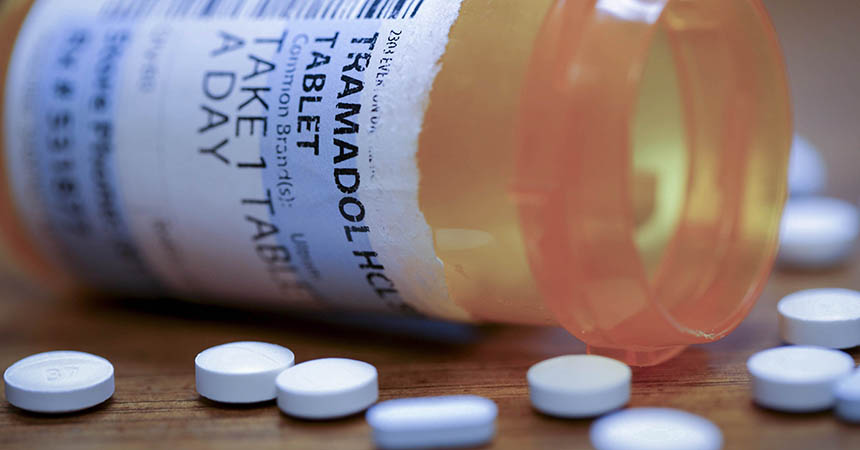
A terrible triad – trauma, isolation and lack of structure – is driving more people to drink alcohol and use drugs.
Unemployment, lack of health insurance and fear of the unknown are just of few of the traumas people are dealing with amid COVID-19. People are searching for ways to cope with the anxiety, depression and feelings of hopelessness, said Susan Franks, PhD, Associate Professor of Family Medicine.
For many people that’s alcohol or drugs.
“If you are used to coping with alcohol, you’re going to return to an old familiar friend because you think that works,’’ said Dr. Franks, who is also a clinical health psychologist. “The problem is people who drink alcohol gain a sense of escape momentarily, but then it becomes a cycle.”
In recent weeks, sales on alcoholic beverages have spiked by 55 percent, according to Nielsen. In recent years, an estimated 5.8 percent of adults over 18 – about 14.4 million people – have an alcohol-use disorder.
People in recovery are especially vulnerable to relapsing during stressful situations like the COVID-19 pandemic.
They are isolated, they have lost structure, they are missing contact with their support systems. Programs such as Alcoholic Anonymous offer online meetings to help people stay sober, but some people miss the direct contact.
All of that combined can fuel a relapse.
“It’s the loss of control that troubles many people,” Dr. Franks said. “It is not surprising we’re seeing an increase in alcohol use. People are desperate for an emotional escape.”
The stress associated with COVID-19 can lead casual drinkers to greater alcohol use. Those addicted to drugs are likely struggling as well.
A big concern is what happens when the pandemic ends. It will be interesting to see if the increase in alcohol and drug use follows people into a post-COVID-19 world, said Scott Walters, Ph.D., Regents Professor, Department of Health Behavior and Health Systems.
When soldiers returned from Vietnam in the mid-1970s, some were using heroin, he said.
But they found work at home, re-established their social connections, and rates went down.
“In the case of soldiers returning from Viet Nam, most quit using substances,” he said. “It will be interesting to see if that’s the case when people exit the pandemic.”
There is no question that the trauma of COVID-19 is pushing people to self- medicate with alcohol and drugs. For those who are addicted to opioids or struggling to stay sober, the outlook is especially troubling.
There’s a good supply chain for alcohol – the liquor stores are open and there is ample supply – but it’s a different story with drugs. That supply chain could dry up, forcing people into withdrawal, Dr. Walters said.
“When someone is forced into withdrawal, their tolerance goes down,” he said. “If they are able to resume using opioids again, they can overdose even if they use their former, normal dose. I would expect a spike in drug overdoses when the pandemic is over.”
That’s a big concern for people in prison or those non-violent inmates who are released early due to COVID-19 concerns.
In the first two weeks after being released from jail or prison, people are 40 times more likely to overdose from opioids, Dr. Scott said.
“This is why it’s so important to link people to treatment and medications like naloxone that can reverse the effects of an overdose,” he said. “This will be especially important if jails continue to release inmates because of infection concerns inside the jail.”
Some people might need medication to reduce their craving for alcohol or drugs. People taking anxiety or depression medication might need to increase their dosage.
There are other ways to combat the stress and anxiety. Yoga, mindfulness, music and exercise are a few.
Sticking to a routine can also help.
“Sleeping late, wearing your pajamas and eating ice cream are okay as short-term strategies,” Dr. Walters said. “But over time, that lack of structure can affect your mental health.’’
His advice: Get dressed; write goals, shower and exercise.





Social media